
Crohn’s Disease: Finding the Right Treatment
Crohn’s disease is a chronic inflammatory bowel condition that can cause diarrhea, abdominal pain, fatigue, and weight loss. Learn about its symptoms, diagnosis, and treatment options.
Chia Seeds: Helping Your Gut or Causing Constipation?
Chia seeds support digestion, but eating too much without enough fluids may worsen constipation. Learn the benefits, risks, and how to enjoy them safely.
AI-Powered Colonoscopy
AI-powered colonoscopy uses real-time image analysis to help gastroenterologists detect colorectal polyps.
IBD and Colorectal Cancer
Learn how inflammatory bowel disease (IBD) can increase colorectal cancer risk, who needs surveillance colonoscopy, and how to protect your digestive health.
Aging Gut? Your Digestion May Be Changing
As we age, our digestion may change, bringing symptoms such as constipation, bloating, and acid reflux.
Endoscopy vs. Colonoscopy
Discover the difference between endoscopy and colonoscopy, the conditions they help detect, and when to consult a gastroenterologist for your digestive health.
NO SYMPTOMS? DON'T SKIP YOUR SCREENING
Feel healthy, stay proactive! Preventive screening can help detect certain conditions early, even before symptoms appear. Prevention starts before symptoms appear.
Probiotics vs. Prebiotics
Discover the difference between probiotics and prebiotics, how they support your gut health, and which foods can help maintain a healthy digestive system.
Colonoscopy Preparation
Learn everything you need to know about colonoscopy preparation, including what to eat and avoid, bowel-cleansing instructions, fasting guidelines, medication precautions, and what to expect before your procedure.
Get Ready for Your Endoscopy
Preparing for an endoscopy? Learn what foods you can eat before your procedure, when to stop eating and drinking, how to manage medications, and what to expect before and after your appointment.
Screening Helps Detect Disease Early
Early screening can help detect certain digestive diseases before symptoms appear.
What to Expect After Your Colonoscopy
Wondering what happens after a colonoscopy? Learn what’s normal during recovery, from mild bloating and gas to temporary bowel changes, and when you should contact your doctor.

Heartburn or Something More?
Frequent heartburn may be more than occasional discomfort. Learn how to recognize GERD symptoms, understand common triggers, and know when it’s time to see a gastroenterologist.
Getting Ready for Your Gastrointestinal Procedure
Learn how following your gastroenterologist’s instructions can support accurate examination, patient safety, and better outcomes.
Breast Cancer Awareness and Gut Health
Breast cancer treatment can sometimes affect digestive health. This Breast Cancer Awareness Month, remember to care for your whole body including your gut.
The Connection Between Heart and Digestive Health
Discover how your gut, liver and heart are connected. Learn how digestive health, fatty liver disease and metabolic factors can influence cardiovascular health and why early detection matters.
Don't Wait Until the Pain Gets Worse
Don't ignore persistent abdominal pain, bloating, or heartburn. Learn about the warning signs of digestive conditions, why early detection matters, and when to visit a gastroenterologist for expert care.
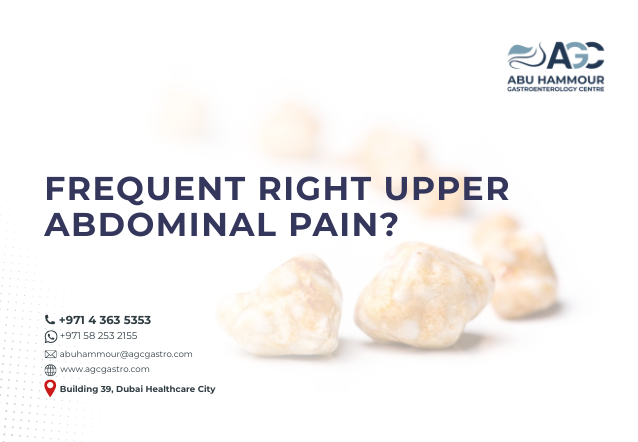
Frequent Right upper Abdominal Pain?Don’t Ignore It.
Frequent pain in the upper right abdomen, especially after meals, could be a sign of gallstones. Learn about the symptoms, risk factors in younger adults, when to seek medical care, and why getting checked early matters.
Signs Your Gut May Be Unhealthy
Bloating, gas, constipation, diarrhea, abdominal pain, fatigue, food sensitivities, and persistent digestive discomfort may be signs that your gut needs attention.
Why Digestive Symptoms Shouldn't Be Ignored
Digestive symptoms may seem minor, but persistent or recurring discomfort can sometimes signal an underlying condition.